
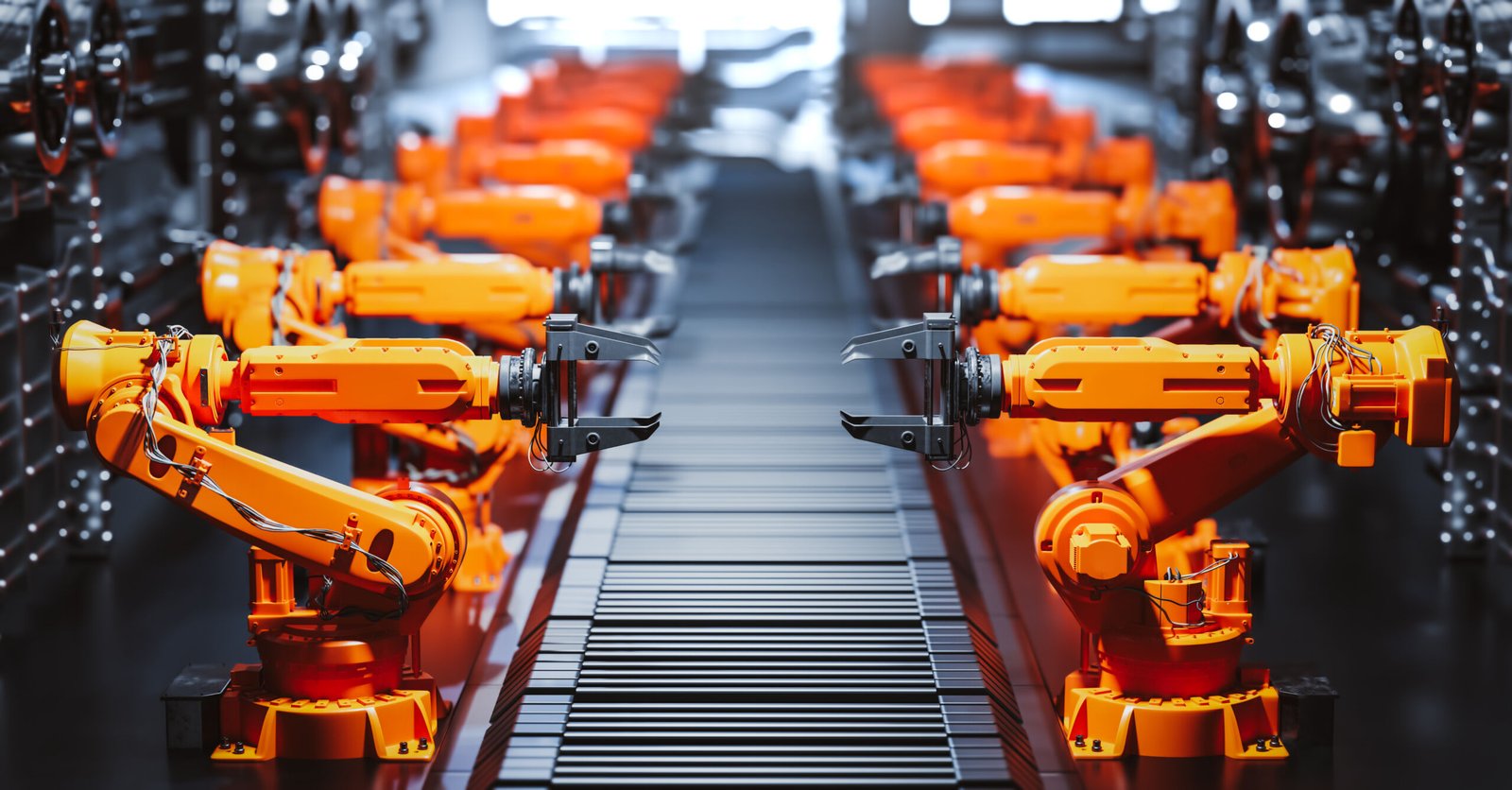
Industrial Robotics represents the future of modern manufacturing, delivering automation, precision, and speed to industrial production processes. These robotic systems are designed to perform repetitive, complex, and high-precision tasks with maximum efficiency and minimal human intervention.
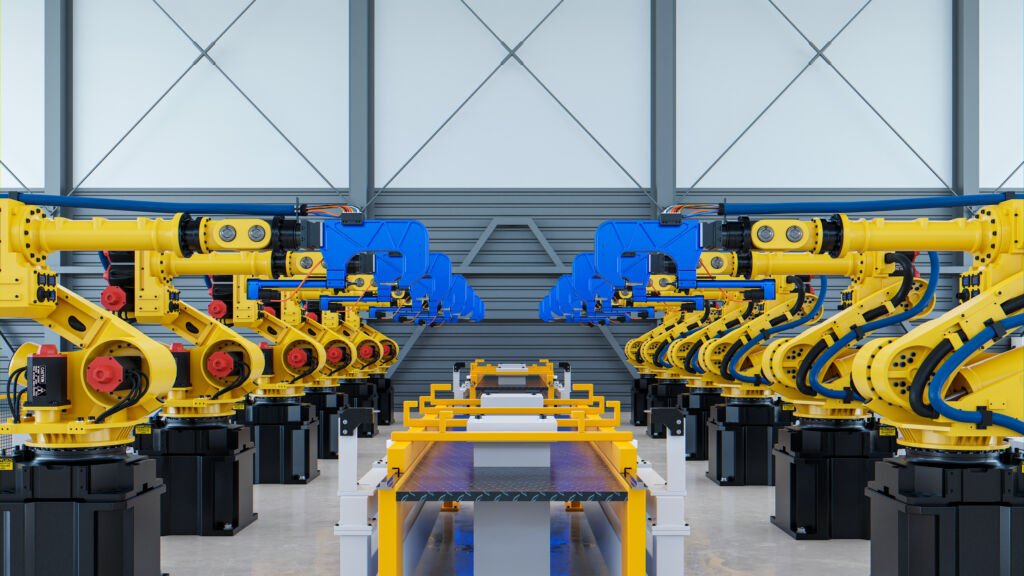
From assembly lines to welding, material handling, and packaging, industrial robots are transforming factories into smart, automated production environments.
Types of Industrial Robots
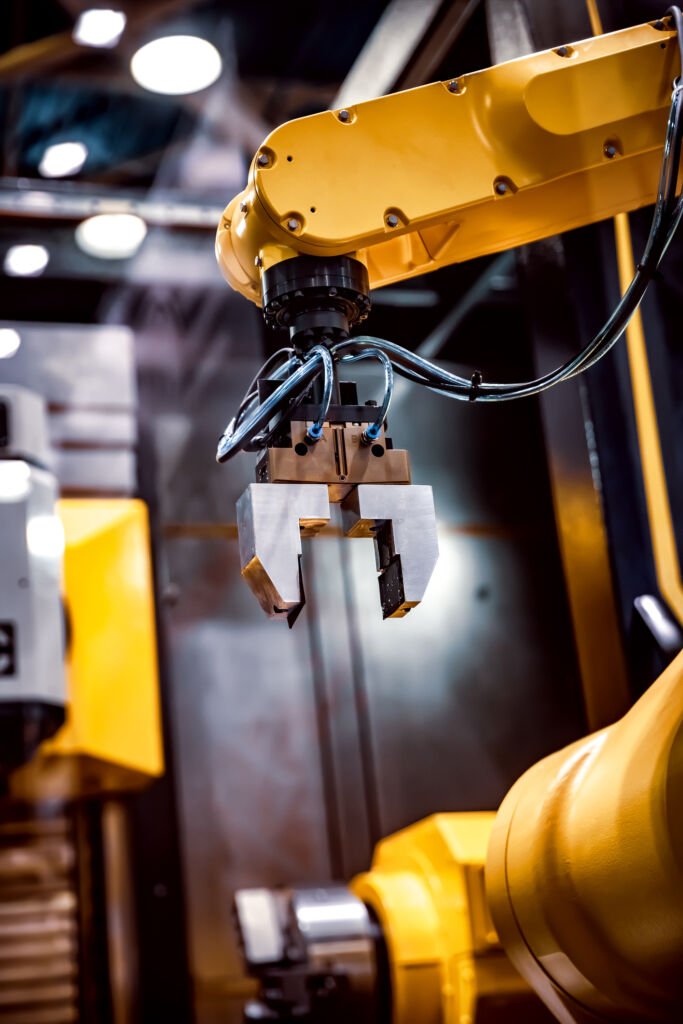
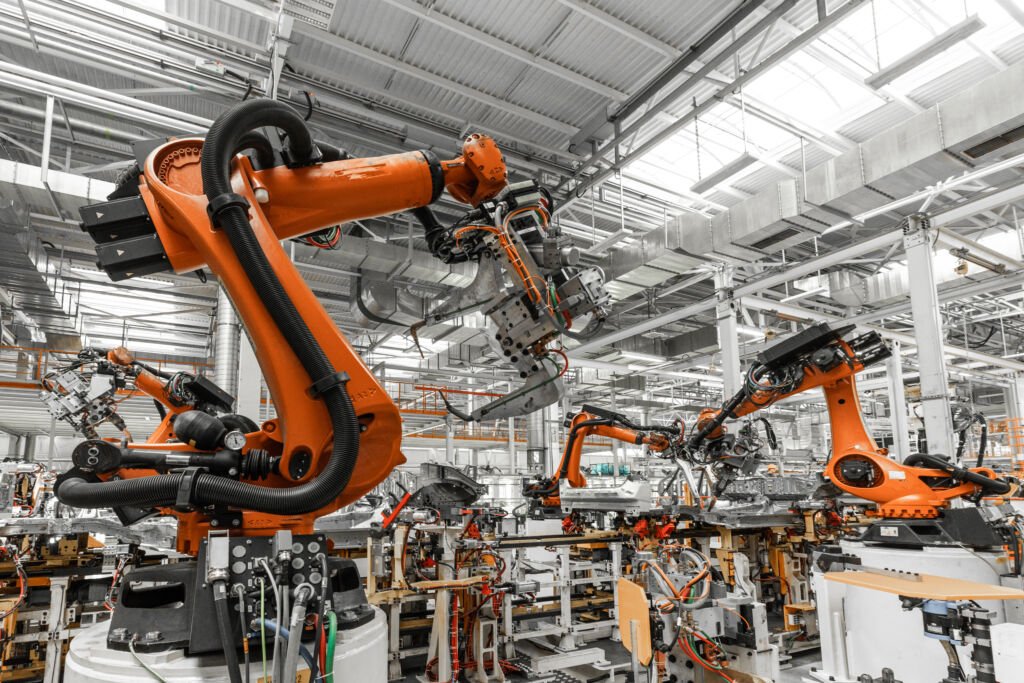
• Robotic Arms (Articulated Robots)
Multi-jointed robots used for welding, assembly, painting, and material handling with high precision.
• SCARA Robots
Specialized for fast and accurate pick-and-place operations, widely used in electronics and small parts assembly.
• Cartesian Robots (Gantry Systems)
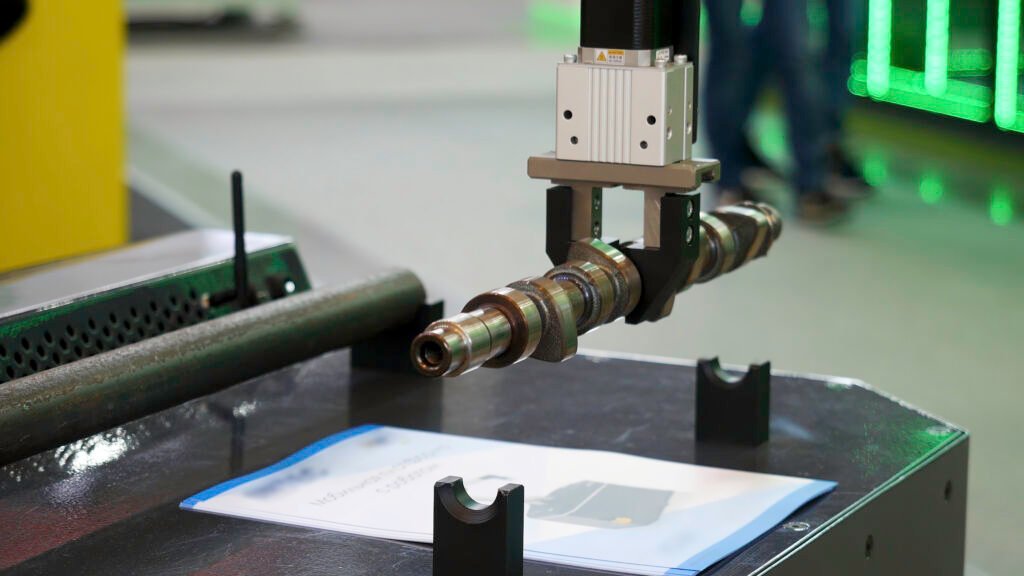
Operate on linear axes (X, Y, Z) and are commonly used in CNC automation, packaging, and CNC machine loading/unloading.
• Collaborative Robots (Cobots)
Designed to work safely alongside human operators, ideal for flexible manufacturing environments.
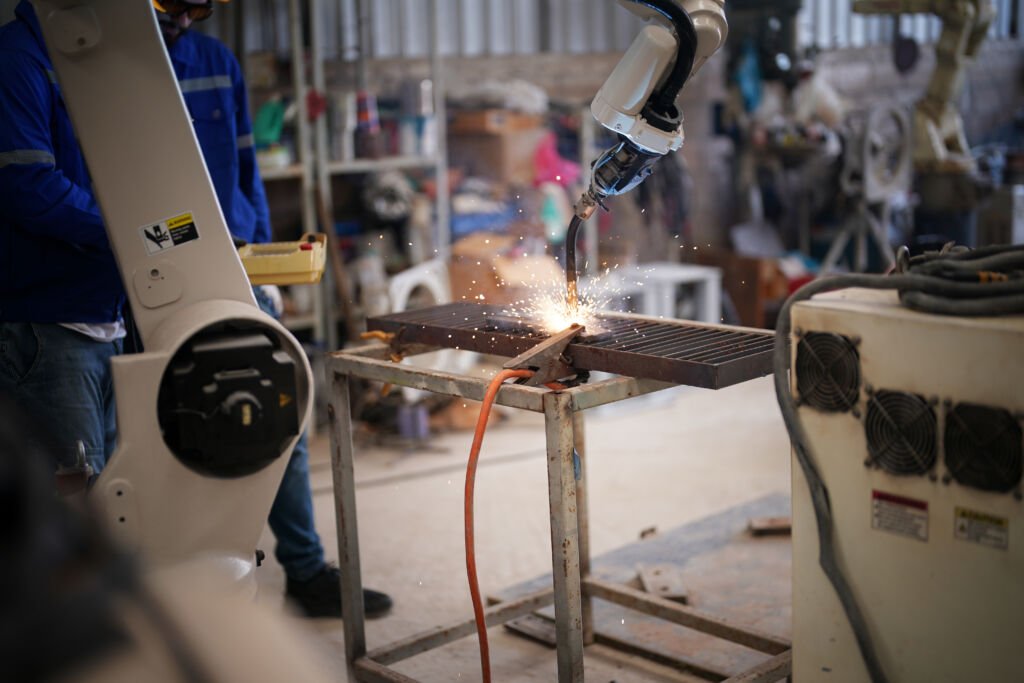
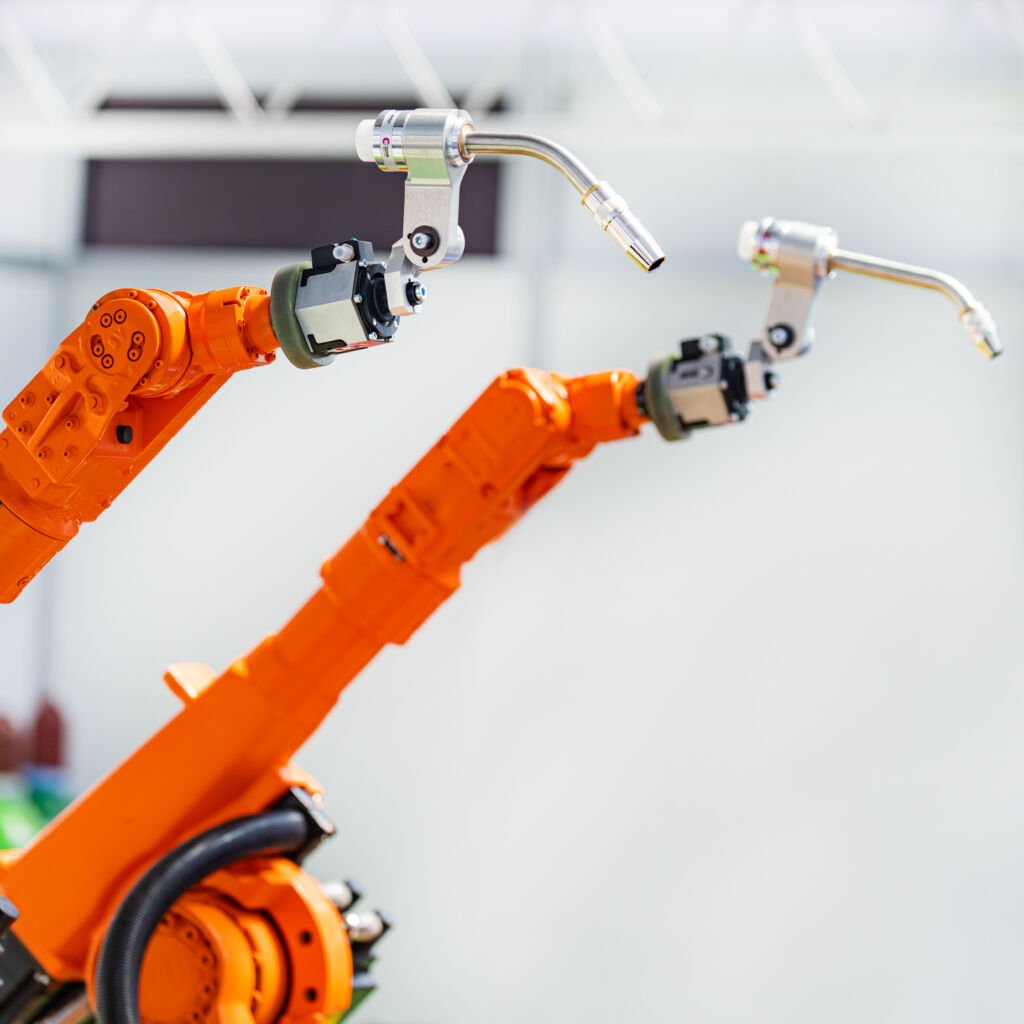
• Welding Robots
Used in automotive and heavy industries for consistent and high-quality welding operations.
Key Features
- High speed and precision operation
- 24/7 continuous working capability
- Reduced labor and operational cost
- Consistent and repeatable output
- Advanced sensor and control integration
- Easy integration with CNC and automation systems
Applications
Industrial robots are widely used in automotive manufacturing, metal fabrication, electronics assembly, packaging industries, CNC automation lines, and heavy engineering sectors.
Benefits of Industrial Robotics
Industrial robotics improves productivity, enhances product quality, reduces human error, and ensures safe working environments by handling dangerous or repetitive tasks. It is a key component of modern smart factories and Industry 4.0 automation systems.
